Gather the basics first
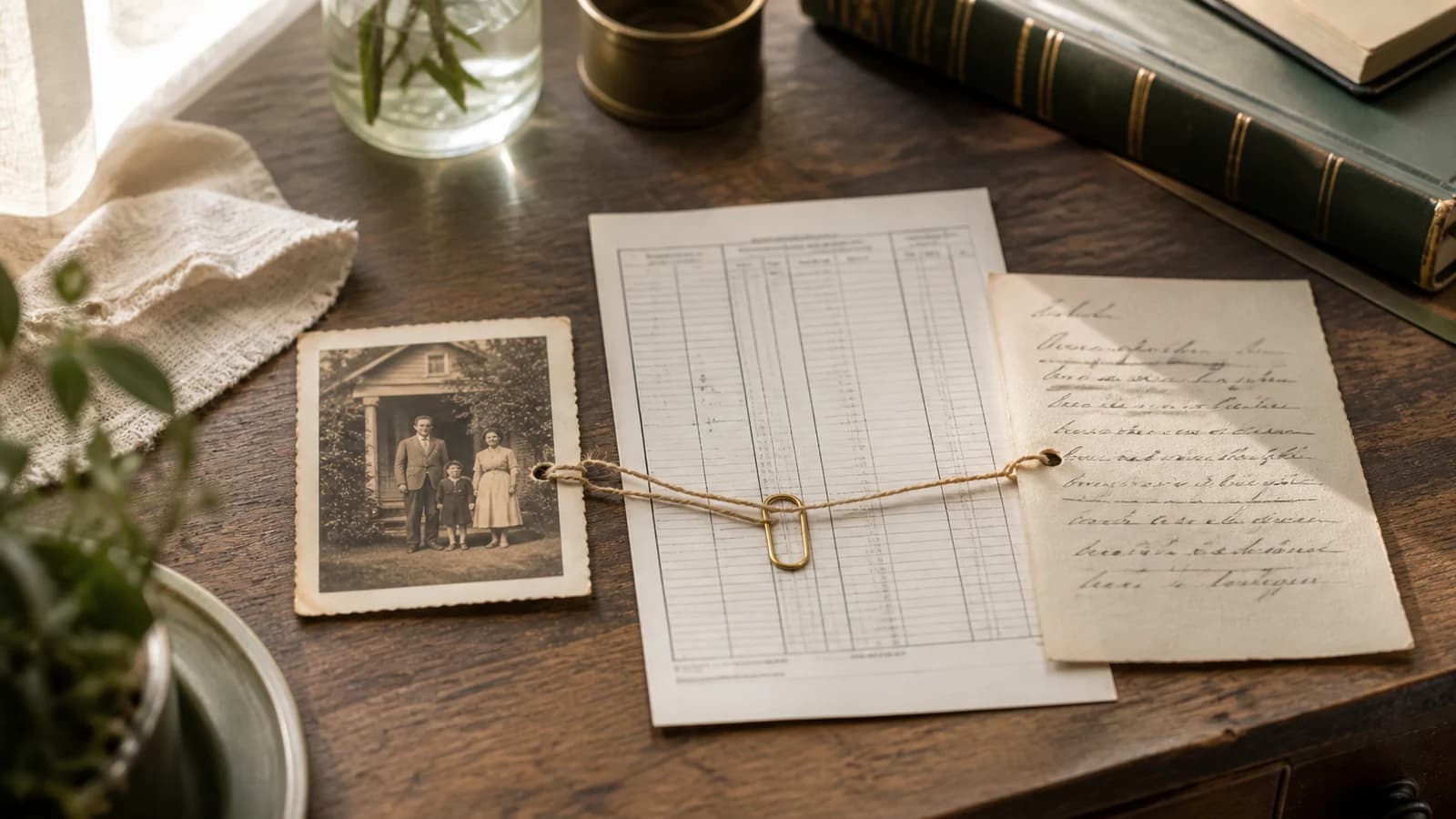
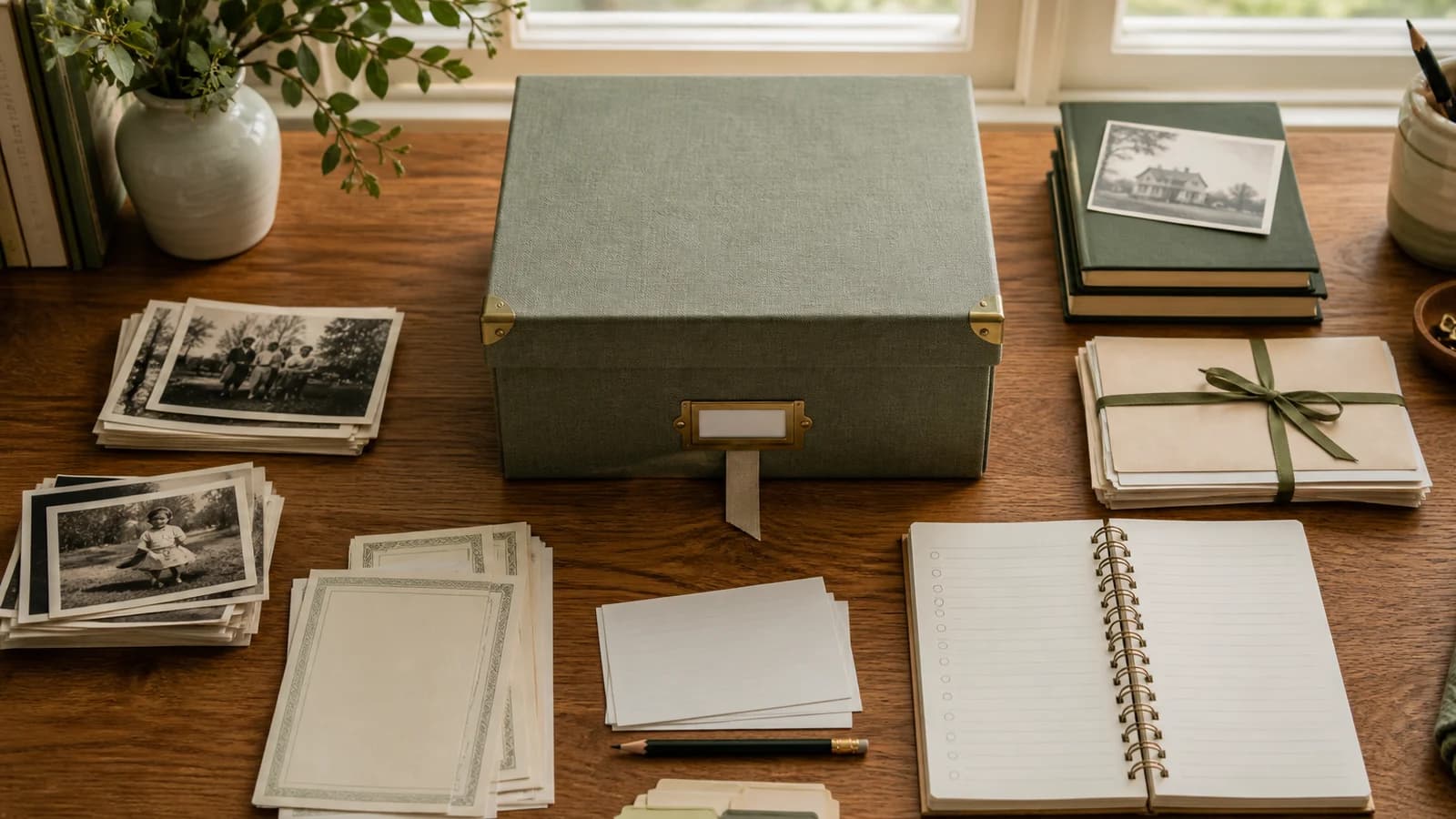
A family-history project starts more smoothly when the first materials are organized before research begins.
Useful starting information includes names, approximate dates, places, relationships, migration stories, family surnames, photographs, known documents, and the names of relatives who may know more.
Include questions, not only answers
Write down the questions that matter most:
- Which ancestor are we trying to identify?
- Which story needs evidence?
- Which photo needs names?
- Which branch has conflicting information?
- Which living-person details should stay private?
Clear questions help a project stay focused and make it easier to distinguish evidence from interpretation.
Prepare materials thoughtfully
For photographs and documents, keep original filenames or labels when possible. Note where each item came from and who provided it. If a document includes living people, private medical information, sensitive adoption details, or DNA information, flag it before sharing.
Decide the level of archive needed
If the project is mostly about collecting family memories, Lite Archive may be the cleaner starting point. If the work involves documents, citations, complex relationships, DNA context, or research questions, Full Archive is usually the better fit.
Either way, scope and delivery should be confirmed before purchase.