Evidence and Family Stories: Why Both Matter
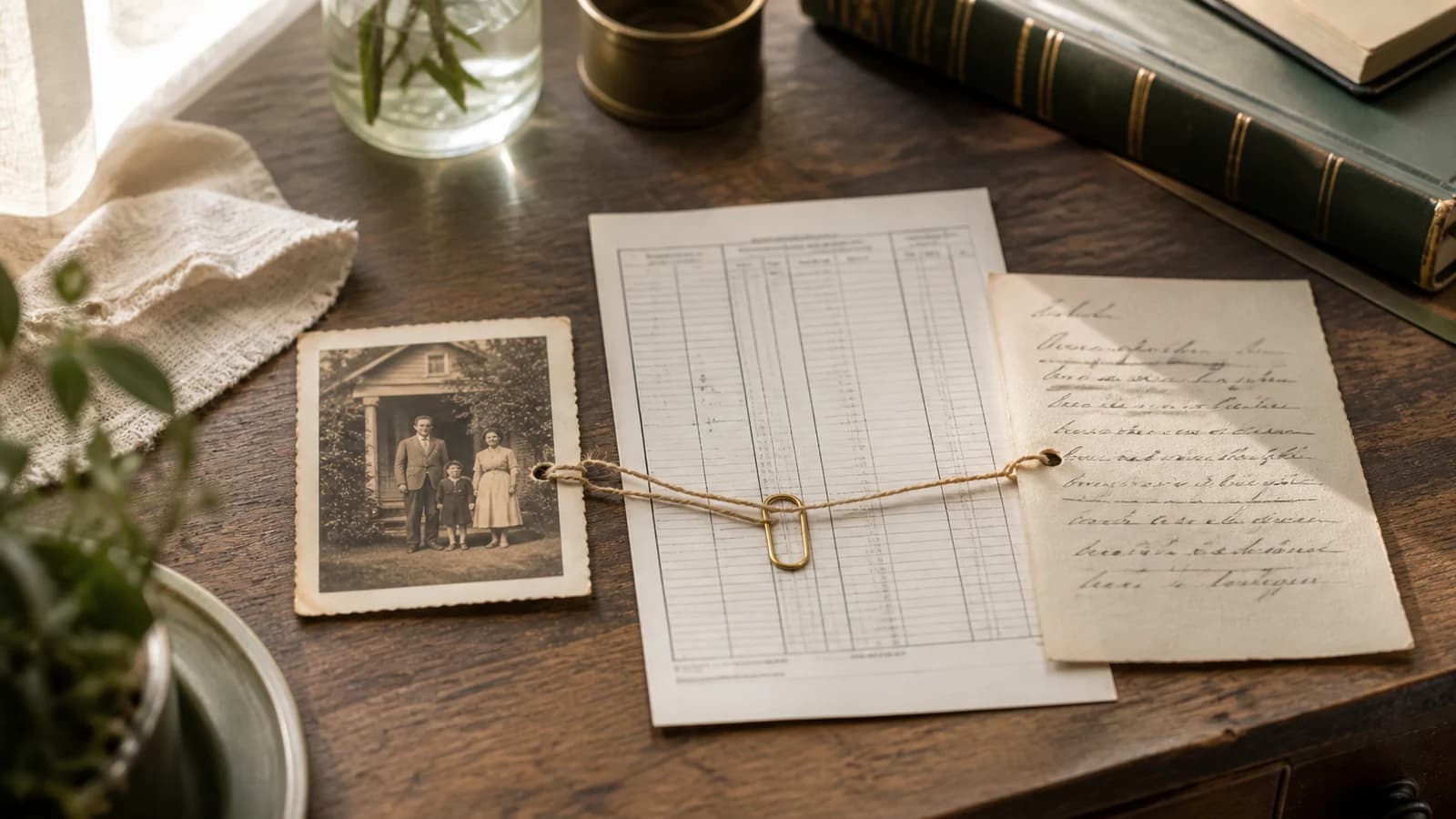
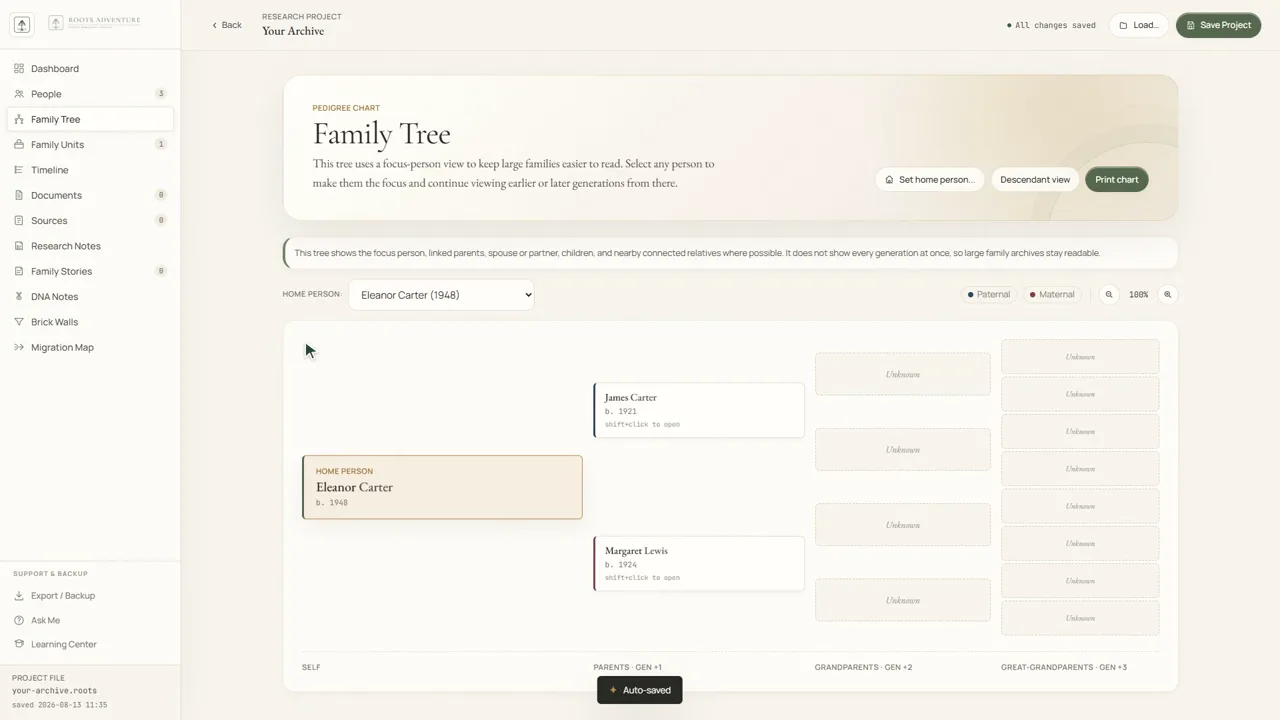
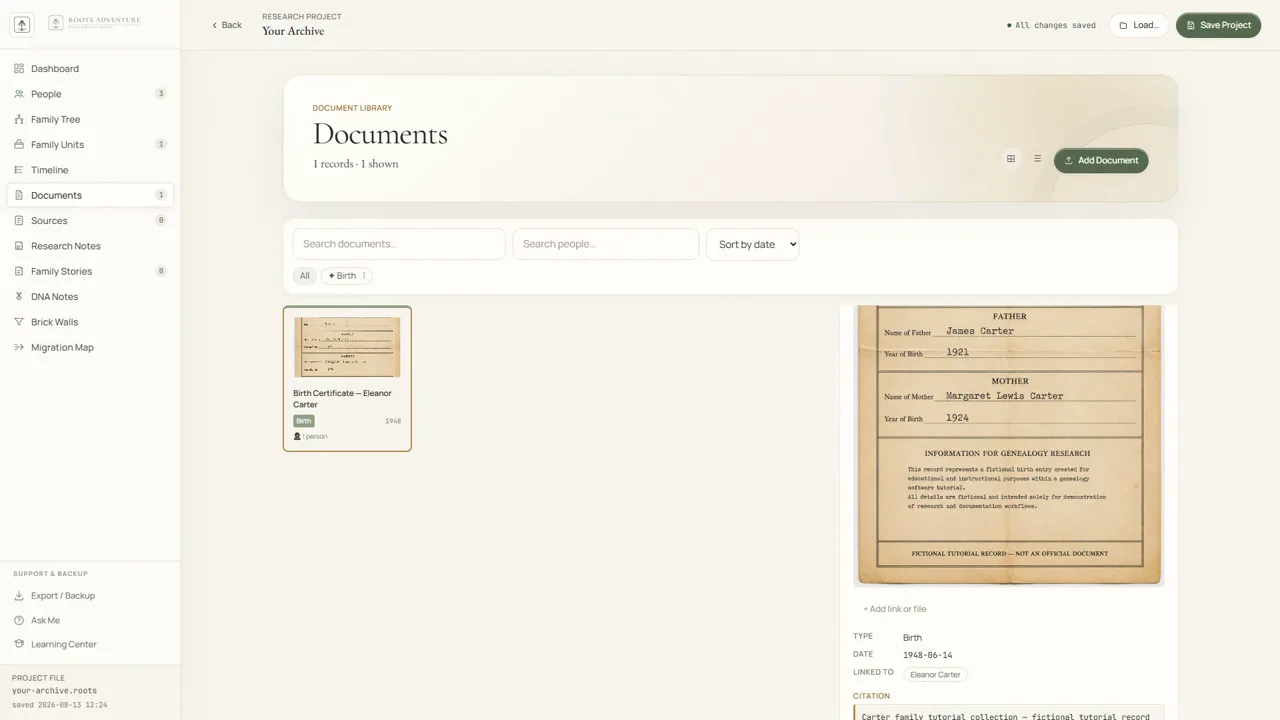
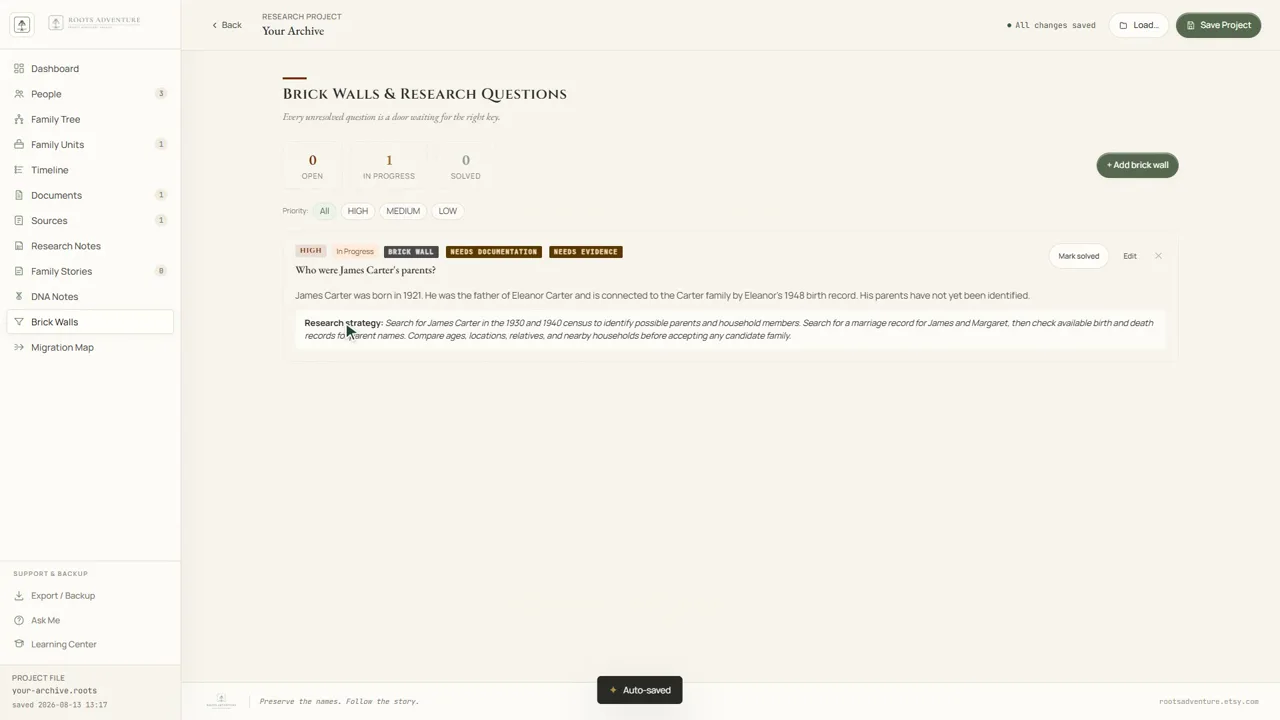
Family stories preserve meaning. Evidence helps test details. A strong archive keeps both visible and clearly labeled.
Loading route foundation…
Roots Adventure Knowledge
Practical guidance for preserving family stories, organizing genealogy research, understanding evidence, and building a family history archive with care.
Featured guides
Start with the articles that explain the shape of the work: what belongs in an archive, how to preserve materials, and how family members can contribute.
Family stories preserve meaning. Evidence helps test details. A strong archive keeps both visible and clearly labeled.
Choose Full Archive when the work needs evidence depth. Choose Lite Archive when the first need is gathering stories, photos, and basic family information.
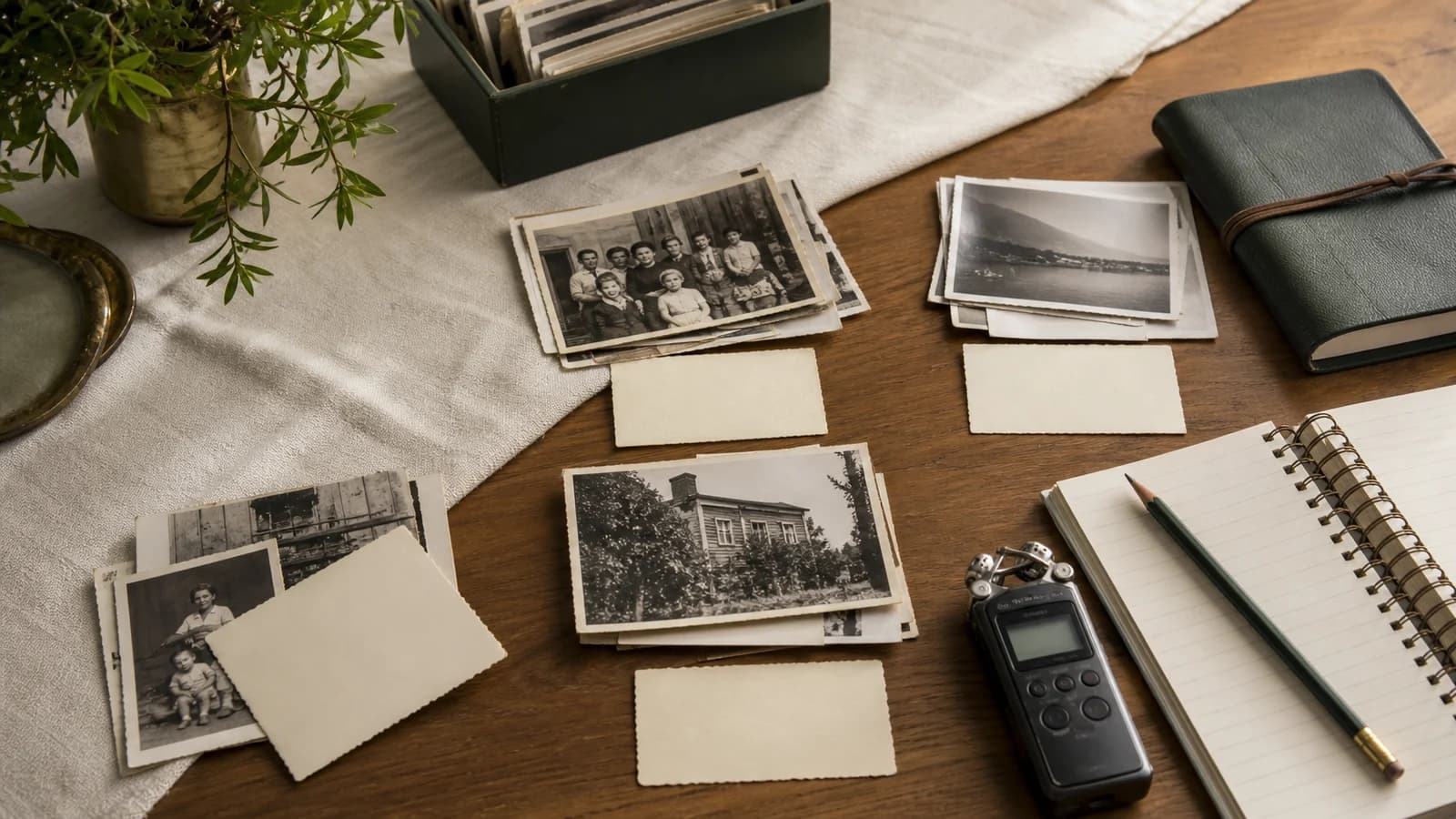
Begin with what you know, label uncertainty clearly, and keep stories beside the photographs and people they describe.
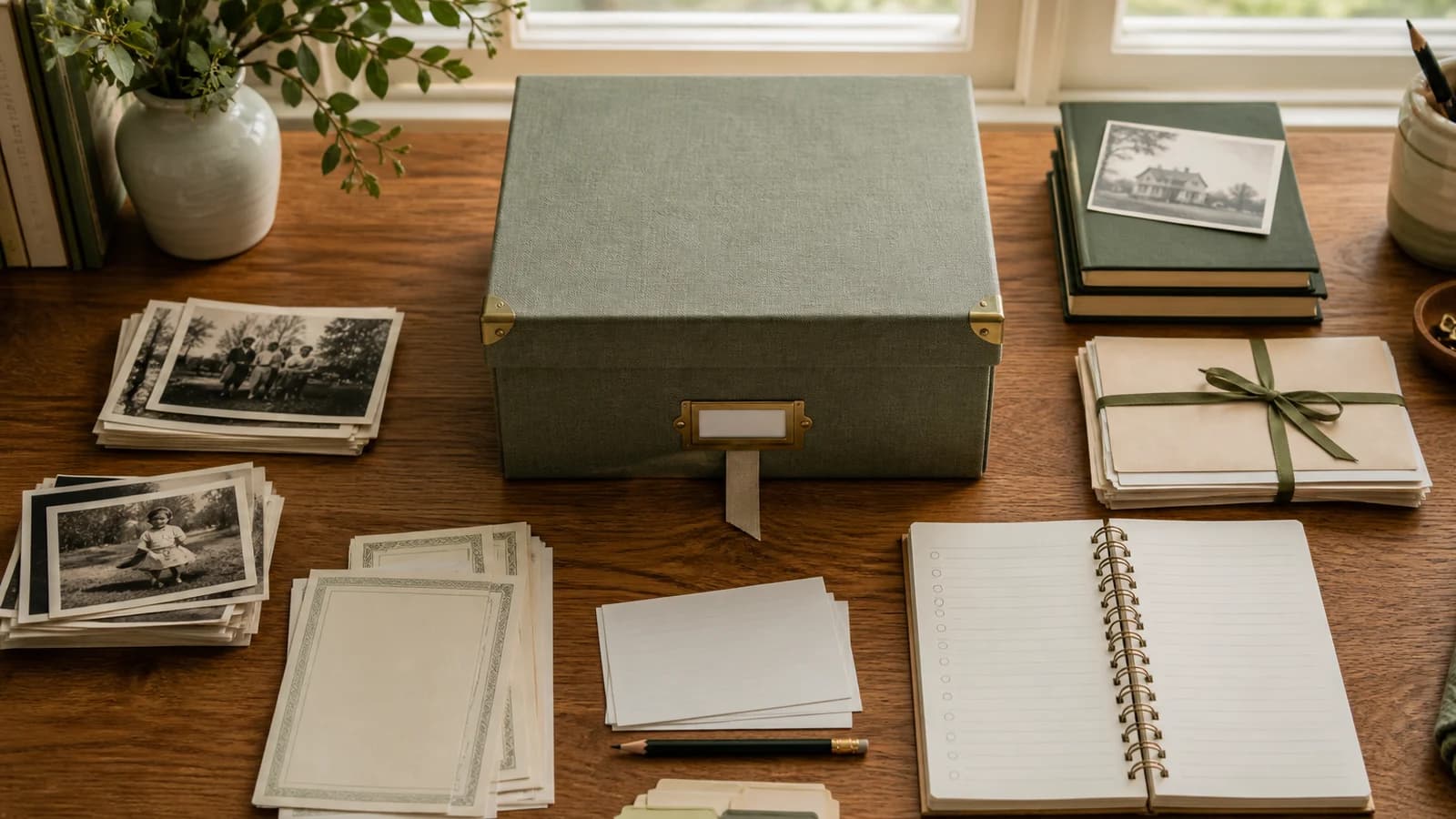
Gather names, dates, places, photographs, documents, family stories, questions, and privacy concerns before a family-history project begins.
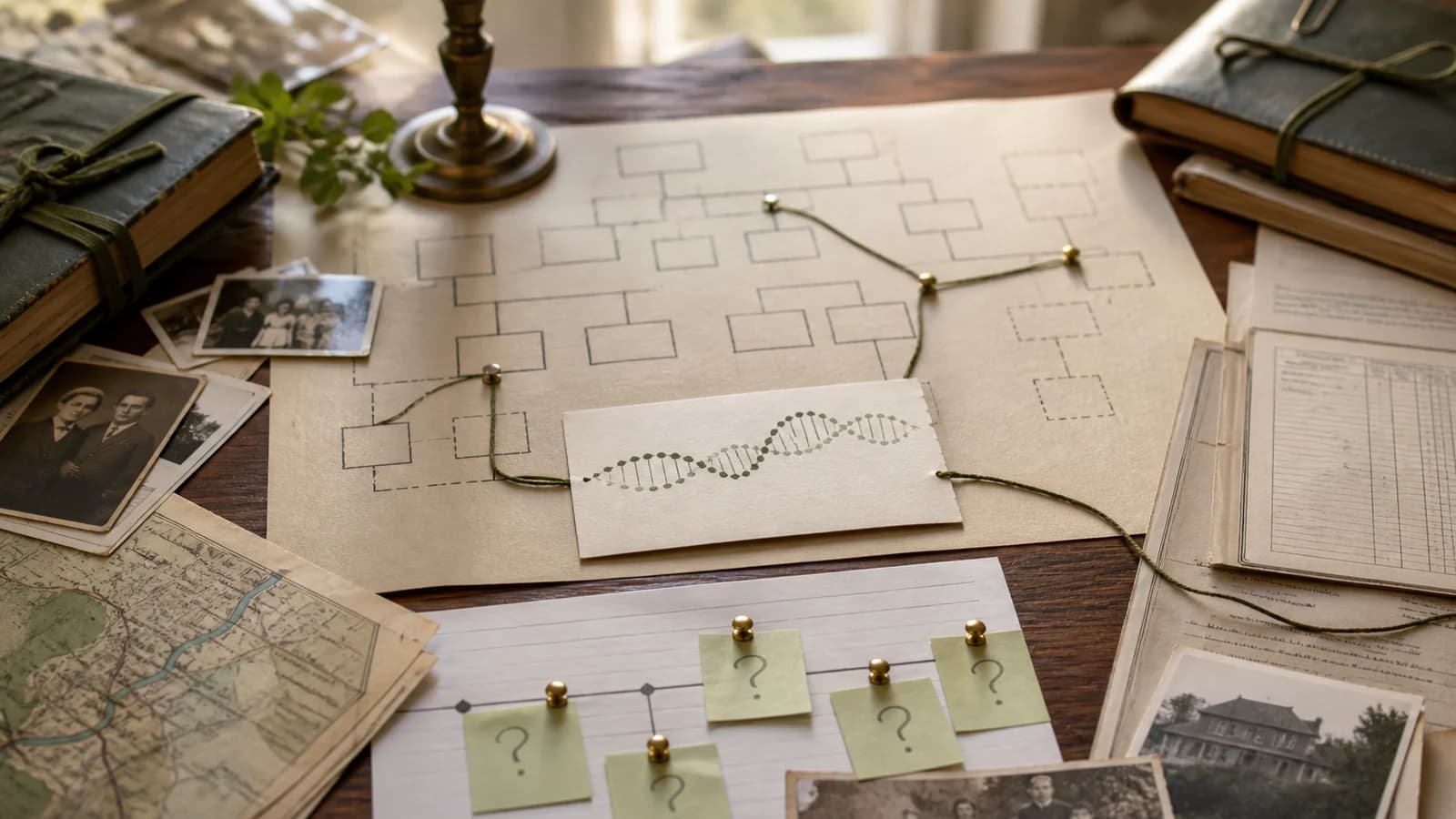
DNA clues can be useful, but they need documentary evidence, family context, privacy care, and careful interpretation.
Browse by topic
Topic collections keep practical family-history guidance connected to preservation, research methods, DNA context, and first steps.
Topic collection
A future collection for carefully sourced guidance about using DNA evidence in family-history research.
Explore topic →Topic collection
A gentle starting point for future guidance on organizing family-history questions and materials.
Explore topic →Topic collection
The editorial collection for future guidance on organizing, describing, and caring for family materials.
Explore topic →Topic collection
The editorial collection for future evidence-led research planning, source review, and documented conclusions.
Explore topic →All guides
Public visitors see only published Knowledge articles.
Family stories preserve meaning. Evidence helps test details. A strong archive keeps both visible and clearly labeled.
Choose Full Archive when the work needs evidence depth. Choose Lite Archive when the first need is gathering stories, photos, and basic family information.
Begin with what you know, label uncertainty clearly, and keep stories beside the photographs and people they describe.
Gentle product connection
Gather names, dates, places, photographs, documents, family stories, questions, and privacy concerns before a family-history project begins.
DNA clues can be useful, but they need documentary evidence, family context, privacy care, and careful interpretation.